

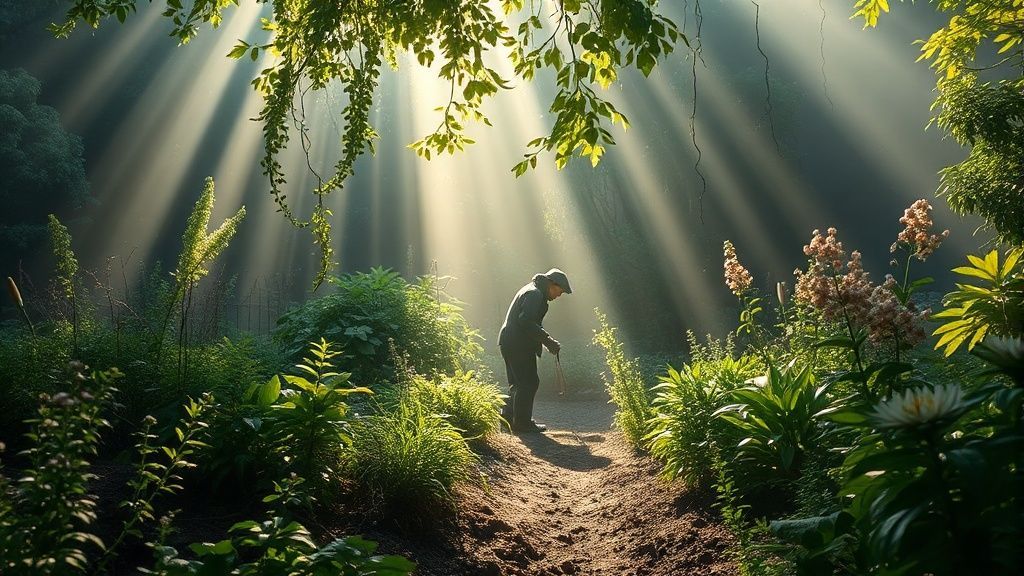
The crisp Portland air always seems to carry a different scent depending on the season. Right now, it's the damp, earthy aroma of the Pacific Northwest in full bloom, a smell that always grounds me. I find myself drawn to my small garden behind the office, tending to the herbs that form the basis of so many of my consultations. As a botanist, I've always been fascinated by the delicate balance within ecosystems, and I've come to see that our own emotional landscapes are just as intricate and interconnected. Today, I’m reflecting on something I’ve seen come up more and more in my work: the connection between how we perceive ourselves in relation to gender norms, how we relate to our peers, and the resulting impact on our mental health. It's a complex equation, and one that deserves careful consideration.
Gender typicality, at its core, refers to the degree to which an individual perceives themselves as aligning with societal expectations and stereotypes associated with their assigned gender. It’s about feeling like you “fit in” to the perceived mold. In my practice, I often see the consequences of this perceived (mis)alignment. Someone who doesn’t feel conventionally masculine or feminine, can find themselves struggling with feelings of inadequacy, isolation, and even shame. This internal struggle can manifest in myriad ways, from anxiety and depression to difficulty forming healthy relationships. Imagine a young man who prefers art to sports, or a young woman who excels in traditionally "male" dominated fields like science. Society might send them messages that they are somehow "wrong" or "less than," simply for not conforming to rigid stereotypes. This pressure to conform can be immense, especially during formative years.

Peer relations, of course, are the lifeblood of social development, particularly during adolescence. The desire to be accepted, to belong, is deeply ingrained in the human psyche. But what happens when a young person feels fundamentally different from their peers, because they don’t fit the gender norms of their group? Exclusion, bullying, and social isolation become very real threats. These experiences can inflict deep wounds, impacting self-esteem, confidence, and overall mental well-being. The feeling of being an outsider, of constantly having to justify or defend your identity, can be incredibly exhausting and detrimental to mental health.
Consider the analogy of a plant struggling to survive in poor soil. It might still grow, but it won't thrive. It won't reach its full potential. Similarly, a young person struggling with gender typicality and peer relations may develop coping mechanisms that, while helping them survive in the short term, ultimately hinder their emotional growth and well-being.
The research on the relationship between gender typicality, peer relations, and mental health is extensive and compelling. Studies consistently demonstrate a strong correlation between feeling like one doesn’t conform to gender norms and increased risk of mental health challenges, including depression, anxiety, and suicidal ideation. Conversely, feeling accepted and supported by peers, regardless of gender expression, is linked to greater self-esteem, resilience, and overall well-being. These findings highlight the importance of creating inclusive and accepting environments where young people can explore their identities without fear of judgment or rejection.
In my work, I emphasize the importance of self-compassion and self-acceptance. It's about recognizing that your worth is not contingent on meeting arbitrary societal standards. It’s about understanding that your unique qualities and perspectives are valuable and contribute to the richness of the world. Cultivating a strong sense of self-worth, independent of external validation, is crucial for navigating the challenges of gender identity and peer relations.

What practical steps can be taken to foster positive mental health in the context of gender typicality and peer relations? Firstly, education is paramount. Schools, families, and communities need to be equipped with the knowledge and resources to understand and support gender diversity. Creating safe spaces where individuals can openly express their identities and experiences is essential. Secondly, promoting empathy and understanding among peers is crucial. Encouraging students to challenge gender stereotypes and appreciate the diversity of human expression can create a more inclusive and accepting school environment. Finally, providing access to mental health services that are sensitive to the unique needs of LGBTQ+ individuals is vital. Therapists who are trained in gender identity and affirmation can provide invaluable support and guidance.
It's also important to acknowledge that this is not solely a concern for young people. Adults, too, can grapple with issues of gender typicality and peer relations, particularly in professional or social settings. The pressure to conform to gendered expectations can persist throughout life, impacting self-esteem, career choices, and overall well-being. Cultivating self-awareness and challenging internalized stereotypes are essential steps for adults seeking to live authentically and embrace their true selves.

My approach to these issues, much like my approach to botany, is rooted in nurturing the potential within. Just as I carefully tend to each plant, providing the specific nutrients and environment it needs to thrive, so too must we nurture the emotional well-being of individuals navigating the complexities of gender identity and peer relations. This requires creating a supportive ecosystem where everyone feels valued, respected, and empowered to live authentically. It’s about creating fertile ground for emotional growth.
Ultimately, the goal is to create a world where individuals are free to be themselves, without fear of judgment or rejection. A world where differences are celebrated, and where everyone has the opportunity to thrive, regardless of their gender expression. It's a long journey, but one that is worth taking. One plant, one garden, one person at a time.

My Weekly Horoscope for Taurus
This week, Taurus, focus on grounding yourself and connecting with the physical world – much like I do tending to my garden. It’s a time for practical matters and enjoying the simple pleasures.
- Wealth: Financially, this is a week to review your budget and make sure you are on track. Avoid impulsive spending and focus on long-term stability. Small, consistent efforts will yield the best results.
- Love: Romantic prospects are looking stable and comforting. If you're in a relationship, prioritize quality time and physical affection. If you're single, look for someone who shares your values and appreciates the finer things in life.
- Friendship: Socially, you might feel a pull to connect with close friends who understand you deeply. Nurture these relationships, as they provide a strong foundation of support. Be wary of superficial interactions that drain your energy.
- Career: Career-wise, you'll find success through diligence and persistence. Focus on completing tasks methodically and paying attention to detail. Your hard work will be noticed and appreciated. This is not the week for taking big risks; instead, concentrate on solidifying your position.