

From my sun-drenched Portland office, overlooking the vibrant green canopy of the West Hills, I often contemplate the resilience of life. Just as the seemingly barren earth of winter holds the promise of spring, so too can periods of profound hopelessness nurture unexpected strength and growth. My work as a botanist constantly reminds me of this cycle – death and decay are not endings, but necessary precursors to new beginnings. And in my consulting work, I often encounter clients struggling with the weight of despair, feeling trapped in a seemingly inescapable darkness. They come seeking solutions, cures, and remedies. But sometimes, the greatest medicine lies not in fighting the darkness, but in learning to sit with it. In embracing the courage of hopelessness.
Hopelessness, at first glance, seems like the antithesis of progress. It is often perceived as a weakness, a failure of will. We are conditioned to strive, to fight, to never give up. But what happens when the fight feels futile? What happens when the striving only leads to exhaustion and disappointment? It is in these moments that the courage of hopelessness can emerge as a powerful, albeit paradoxical, force.
Think of a seed buried deep within the earth. It is surrounded by darkness, pressure, and seemingly insurmountable obstacles. If the seed were to resist this environment, to deny the reality of its current state, it would likely perish. Instead, it embraces the darkness, surrendering to the forces around it. It allows itself to decompose, to break down its old form. And in that very process of decay, it finds the nourishment and the space to germinate, to push forth new life.
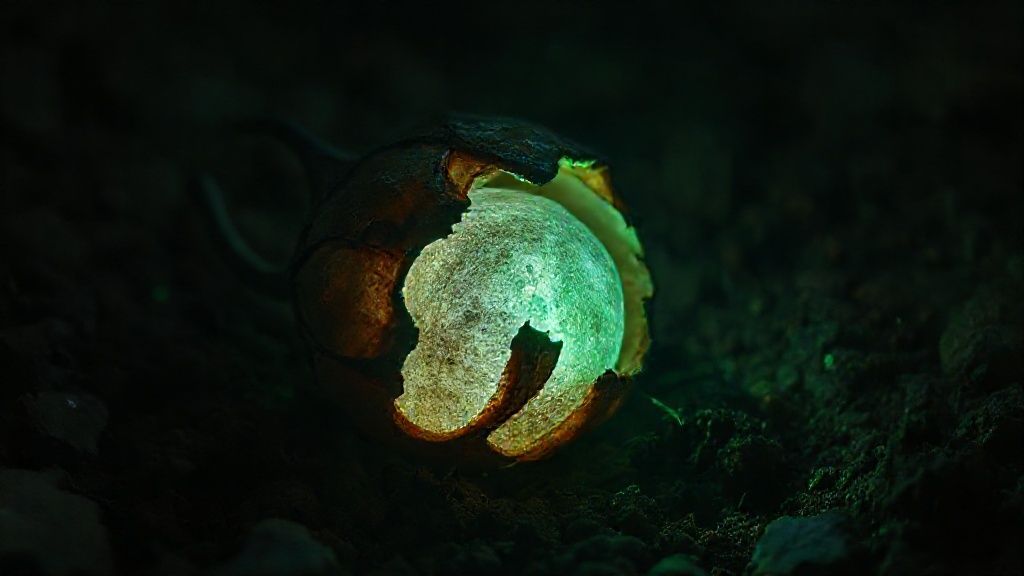
This is the essence of the courage of hopelessness: not a passive acceptance of defeat, but an active surrender to the reality of our present moment, however painful it may be. It is about acknowledging that we may not have all the answers, that we may not be able to control the circumstances of our lives, and that sometimes, the only way forward is to let go of our grip on control.
This isn't easy. It requires a radical shift in perspective, a willingness to challenge our ingrained beliefs about success, achievement, and happiness. We are taught to believe that we must always be striving for something more, that our worth is tied to our accomplishments. But what if true worth lies not in what we achieve, but in who we become in the face of adversity? What if our greatest growth occurs not when we are striving for success, but when we are sitting in the discomfort of hopelessness?
As a botanist, I see this principle at work in the natural world all the time. Consider a plant struggling to survive in a harsh environment. It may not be able to change the conditions around it, but it can adapt. It can develop deeper roots to access scarce water, or thicker leaves to withstand intense sunlight. In the same way, when we embrace the courage of hopelessness, we can begin to cultivate inner resilience, developing the emotional and spiritual resources we need to navigate difficult times.
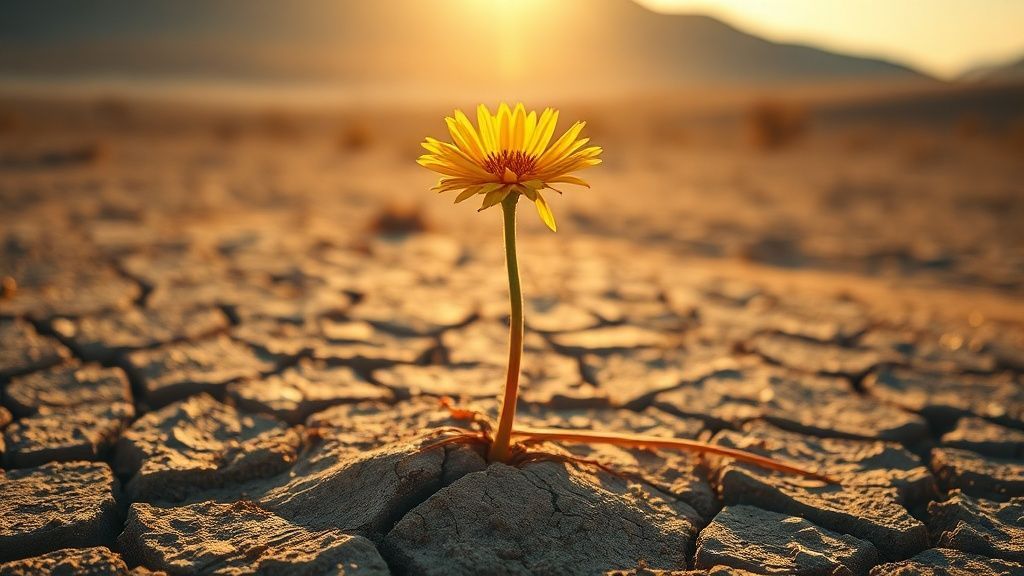
The key is to differentiate between hopelessness and despair. Despair is a state of paralysis, a sense of being utterly overwhelmed and defeated. Hopelessness, on the other hand, can be a catalyst for change. It is the moment when we recognize that our old strategies are no longer working, that we need to find a new way forward.
This recognition can be incredibly liberating. When we let go of the illusion of control, we open ourselves up to new possibilities. We become more receptive to guidance, more willing to experiment, more open to the unexpected. Just as a plant that has been pruned back can grow back stronger and more vibrant, so too can we emerge from periods of hopelessness with a renewed sense of purpose and direction.
But how do we cultivate the courage of hopelessness? It starts with self-compassion. It's important to acknowledge our pain without judgment, to treat ourselves with the same kindness and understanding that we would offer a friend in need. It means allowing ourselves to feel the full range of our emotions, without trying to suppress or avoid them.
Mindfulness practices, such as meditation and deep breathing, can be incredibly helpful in this process. By cultivating a greater awareness of our thoughts and feelings, we can learn to observe them without getting carried away by them. We can begin to see that our emotions are not facts, but rather temporary states that come and go.
Another important step is to connect with something larger than ourselves. This could be nature, art, music, spirituality, or any activity that brings us a sense of meaning and purpose. When we feel connected to something greater, we are less likely to get lost in our own individual struggles. My work among plants often serves as that connection for me; witnessing their persistent struggle for life, even under the harshest conditions, reinforces the inherent resilience that dwells within us all.
Furthermore, seeking support from others can make a significant difference. Talking to a therapist, counselor, or trusted friend can provide us with a safe space to explore our feelings and gain new perspectives. It's crucial to remember that we are not alone in our struggles, and that there are people who care about us and want to help.

Ultimately, the courage of hopelessness is about trusting in the process of life. It's about believing that even in the darkest of times, there is always the potential for growth and transformation. It's about having the faith to surrender to the unknown, knowing that something new and beautiful can emerge from the ashes of the old. And as a Taurus, I know the value of grounding myself in the present moment, finding strength in the simple rhythms of nature, and trusting that even in the midst of chaos, there is an underlying order and harmony.
This perspective, this willingness to embrace the void, is not a sign of weakness but a testament to our inherent strength. It's a recognition that true courage lies not in fighting against reality, but in embracing it fully, with all its pain and uncertainty. It's in these moments of profound surrender that we discover the unexpected power of hopelessness – a power that can lead us to greater resilience, deeper wisdom, and a more authentic sense of self.
My Weekly Horoscope for Taurus
This week, dear Taurus, calls for a focus on your inner landscape. Don’t be afraid to confront any lingering anxieties or uncertainties that may be holding you back. Ground yourself in your routines and connect with nature for a renewed sense of stability.
- Wealth: Financially, this is a week to review your budget and identify any areas where you can save. Avoid impulsive purchases and focus on long-term financial goals. There may be an unexpected small expense.
- Love: Romance may feel a bit stagnant this week. Single Taureans, focus on self-love and cultivating your own interests. Coupled Taureans, try to inject some spontaneity and fun into your relationship. A heart-to-heart conversation could clear the air.
- Friendship: Social interactions may be limited this week, which is perfectly fine. Embrace the solitude and use it as an opportunity to recharge and reflect. A close friend may need your support.
- Career: Focus on completing existing projects rather than starting new ones. Pay attention to details and communicate clearly with colleagues. Your hard work and dedication will be recognized. Don't be afraid to ask for help if you need it.