

The grey skies of Vancouver often mirror the inner landscape when hopelessness takes hold. As a freelance writer and yoga instructor, I’ve learned that even amidst the seemingly perpetual rain, there’s always a possibility for sunshine. Just like the body holds tension, the mind can be trapped in cycles of despair. And that despair, that feeling that things will never get better, is what we're going to explore today through the lens of hopelessness theory.
Hopelessness theory, at its core, explains how a negative cognitive style, coupled with stressful life events, can lead to feelings of hopelessness and, ultimately, depression. It's not simply about feeling sad; it's about a deep-seated belief that undesirable outcomes are inevitable and that you are powerless to change them.

So, which of the following is an example of hopelessness theory in action? Imagine a young artist who, after facing repeated rejections from galleries, begins to believe that their art is inherently bad and that they will never succeed. This isn’t just sadness over rejection; it's the belief that:
- The negative event will continue indefinitely: "I will always be rejected."
- The negative event affects many areas of their life: "If I can't succeed as an artist, I can't succeed at anything."
- The negative event is due to their own flaws: "I'm just not talented enough; it's my fault."
This pattern of thinking – stable, global, and internal attributions – is the fuel that feeds the fire of hopelessness. This artist doesn't just feel sad; they feel trapped. The future seems bleak and unchangeable.
My own journey through burnout taught me the insidious nature of this kind of thinking. The stress of constant deadlines and the pressure to perform had led me to believe that I was incapable of handling my career, that my health would forever be compromised, and that my efforts were ultimately futile. It was only through consciously challenging these beliefs and embracing the practices of yoga and self-reflection that I began to see a glimmer of light.
Understanding the components of hopelessness theory is the first step towards breaking free from its grip.

Let's dive a little deeper into each component:
Negative Life Events: These are the triggers. They can range from job loss and relationship breakups to chronic illness or even something seemingly small that is perceived as a major setback. They are the seeds of doubt that are planted in fertile ground.
Negative Cognitive Style: This is the lens through which we interpret these events. It's the combination of those stable, global, and internal attributions we discussed earlier. People with this cognitive style tend to see negative events as:
- Stable: Permanent and unchangeable. "This will never end."
- Global: Affecting all areas of life. "This proves I'm a failure in everything."
- Internal: Due to personal flaws or shortcomings. "It's all my fault."
Hopelessness: This is the result. It's the expectation that desirable outcomes will not occur, and that there's nothing you can do to change that. This feeling can manifest in various ways, including loss of motivation, decreased energy, social withdrawal, and even suicidal thoughts.
It is important to distinguish this from simply experiencing disappointment. Everyone experiences setbacks. The key difference lies in the interpretation of those setbacks. A resilient person might see a rejection as a temporary obstacle and learn from the experience. Someone trapped in hopelessness sees it as confirmation of their inherent inadequacy.
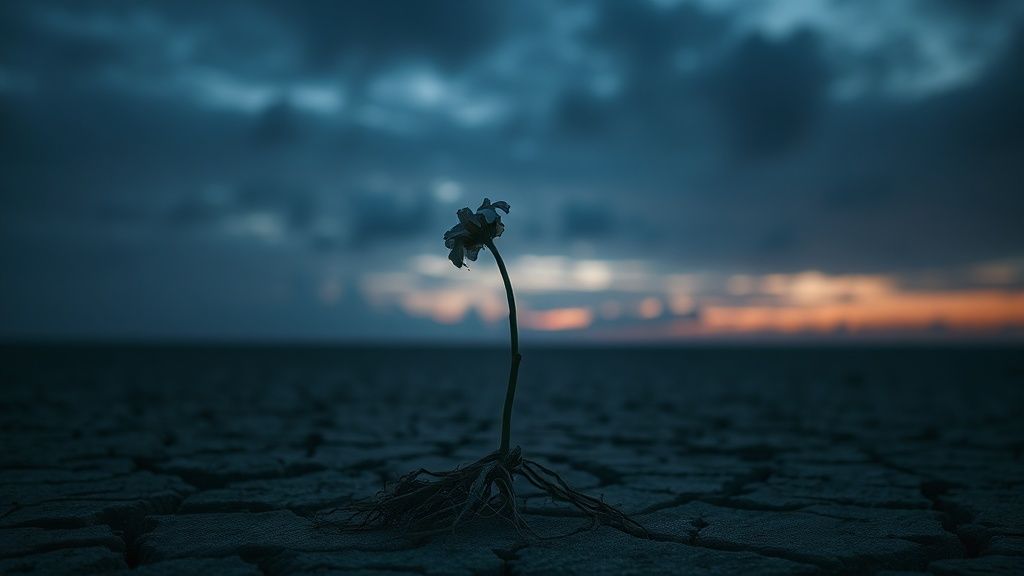
As a yoga instructor, I often witness the power of mindful movement in shifting perspective. When we’re physically grounded, breathing deeply, and present in our bodies, it becomes harder to cling to those rigid, negative thought patterns. It’s like loosening the soil around a plant that’s struggling to grow, allowing it to breathe and reach for the sun.
But what about those of us who find ourselves deeply entrenched in hopelessness? How do we begin to climb out of that hole? Here are a few strategies that I've found helpful, both personally and in guiding others:
Identify and Challenge Negative Thoughts: This is perhaps the most crucial step. Start paying attention to your thoughts, especially those that follow negative events. Ask yourself:
- Is this thought truly accurate?
- Is there another way to interpret the situation?
- What evidence do I have to support this thought? What evidence contradicts it?
Practice Cognitive Restructuring: Replace those negative thoughts with more balanced and realistic ones. Instead of "I'm a complete failure," try "I made a mistake, but I can learn from it and do better next time."
Focus on Small, Achievable Goals: When you feel overwhelmed, break down your goals into smaller, more manageable steps. Celebrate each small victory, no matter how insignificant it may seem. It creates a sense of momentum and combats the feeling of powerlessness. Even getting out of bed can be a win.

Engage in Activities That Bring Joy and Meaning: Even when you don't feel like it, force yourself to do things that you used to enjoy. Whether it's listening to music, spending time in nature, connecting with loved ones, or pursuing a creative hobby, these activities can help to counteract the negativity and remind you of what makes life worth living.
Practice Self-Compassion: Be kind to yourself. Treat yourself with the same understanding and compassion that you would offer to a friend who is struggling. Recognize that everyone makes mistakes and experiences setbacks.
Seek Professional Help: If you're struggling to overcome hopelessness on your own, don't hesitate to reach out to a therapist or counselor. Cognitive Behavioral Therapy (CBT) and other therapeutic approaches can be incredibly effective in helping you to identify and change negative thought patterns.
Remember, healing is not a linear process. There will be days when you feel like you're taking steps backward. But with persistence and self-compassion, you can break free from the cycle of hopelessness and create a brighter future for yourself. The rain in Vancouver is a constant reminder that even in the midst of darkness, life persists. And so can you.

My Weekly Horoscope for Scorpio
Hello fellow Scorpios! As your friendly neighbourhood Scorpio freelance writer and yoga instructor, I'm here to give you a little cosmic peek into the week ahead. Let's see what the stars have in store for us:
Wealth: This week, the stars suggest a period of reflection rather than aggressive financial moves. Re-evaluate your budget, identify areas where you can save, and resist the urge for impulsive purchases. Patience will be key for long-term financial stability. Focus on building a solid foundation rather than chasing quick wins.
Love: Romance might feel a little… submerged. Don’t force connection. Single Scorpios, this isn't the week for a whirlwind romance; focus on self-love and personal growth. In committed relationships, deep, honest communication is crucial. Vulnerability might feel scary, but it's the key to unlocking deeper intimacy.
Friendship: Your social circle might feel a bit quieter this week. Don't take it personally. It's a good time to nurture existing friendships with meaningful conversations and acts of support. Be there for your friends, and allow them to be there for you. Quality over quantity is the motto.
Career: Career-wise, this week calls for strategic planning. Take a step back from the daily grind and assess your long-term goals. Are you on the right path? Are your current efforts aligned with your aspirations? This is a good time to network and seek mentorship. Your intensity and focus will be your greatest assets.