

Vancouver rain is tapping softly against my window as I write this, a comforting rhythm that often accompanies moments of deep reflection. Just like the shifting weather patterns here, our minds can sometimes feel turbulent, caught in storms of worry, anxiety, and fear. As a freelance writer and yoga instructor, I've witnessed firsthand the power of illusion – or "Maya," as it's known in ancient Eastern philosophies – to shape our perception of reality, particularly when it comes to mental health. I’ve seen it in my own journey, emerging from burnout, and now in the journeys of my clients and students. Maya, in this context, isn’t simply about deceit; it's about the ever-changing, impermanent nature of the world, and how our minds often cling to false narratives that create suffering.
The concept of Maya is deeply rooted in Hindu and Buddhist philosophies, referring to the illusionary nature of the world. It suggests that what we perceive as concrete reality is actually a veil, a projection of our minds that obscures the true nature of existence. Think of it like a mirage in the desert: it looks like water, but it's just a trick of the light. Similarly, our minds can create illusions that feel very real, but ultimately don't reflect the deeper truth.

When we apply this understanding to mental health, we can begin to see how our suffering often stems from clinging to these illusions. For example, the belief that we are not good enough, that we are unworthy of love, or that we are destined to fail are all examples of Maya at play. These are stories we tell ourselves, often based on past experiences or societal conditioning, but they are not necessarily true. They become self-fulfilling prophecies, trapping us in cycles of negativity and self-doubt.
The beauty of understanding Maya is that it empowers us to question these narratives. It allows us to step back and observe our thoughts and emotions with a sense of detachment, recognizing them as transient phenomena rather than fixed realities. This doesn't mean denying our feelings; it means acknowledging them without getting swept away by them. It's about recognizing that "I feel anxious" is different from "I am anxiety."
As a yoga instructor, I see this principle in action every day. Yoga, at its core, is a practice of self-awareness, of tuning into the sensations of the body and the fluctuations of the mind. Through mindful movement and breathwork, we learn to cultivate a sense of presence, of being grounded in the present moment rather than lost in the past or future. This presence allows us to see through the illusions of Maya, to recognize the impermanent nature of our thoughts and emotions.

One of the most powerful tools for working with Maya in the context of mental health is self-inquiry. This involves asking ourselves probing questions about our beliefs and assumptions. For example, if you find yourself feeling anxious about a presentation at work, you might ask yourself: "What am I afraid of?" "Is this fear based on reality, or is it based on a past experience?" "What is the worst that could happen?" By questioning these assumptions, you can begin to unravel the illusion and see the situation more clearly.
Another helpful approach is to practice mindfulness meditation. This involves sitting quietly and observing your thoughts and emotions without judgment. As you do this, you'll begin to notice the constant stream of thoughts that flow through your mind, many of which are based on Maya. You'll also notice the emotional reactions that these thoughts trigger. By simply observing these phenomena without getting caught up in them, you can create space between yourself and your suffering.
From my experience as a Freelance Writer, I understand the pressure to always be "on," to be productive and creative. This can lead to intense self-criticism and the illusion that my worth is tied to my output. Recognizing this Maya has allowed me to prioritize self-care and to redefine success on my own terms. It has freed me from the relentless pursuit of external validation and allowed me to find joy in the process of creating.

It's also crucial to acknowledge the role that societal conditioning plays in perpetuating Maya. We are bombarded with messages that tell us what we should look like, how we should behave, and what we should achieve. These messages often create unrealistic expectations that lead to feelings of inadequacy and self-doubt. By becoming aware of these influences, we can begin to challenge them and create our own authentic sense of self.
It's also important to remember that seeking help is a sign of strength, not weakness. Therapists and counselors can provide valuable support and guidance in navigating the complexities of the mind and unraveling the illusions of Maya. They can offer tools and techniques to help you identify and challenge negative thought patterns, develop coping mechanisms, and cultivate a more compassionate relationship with yourself.
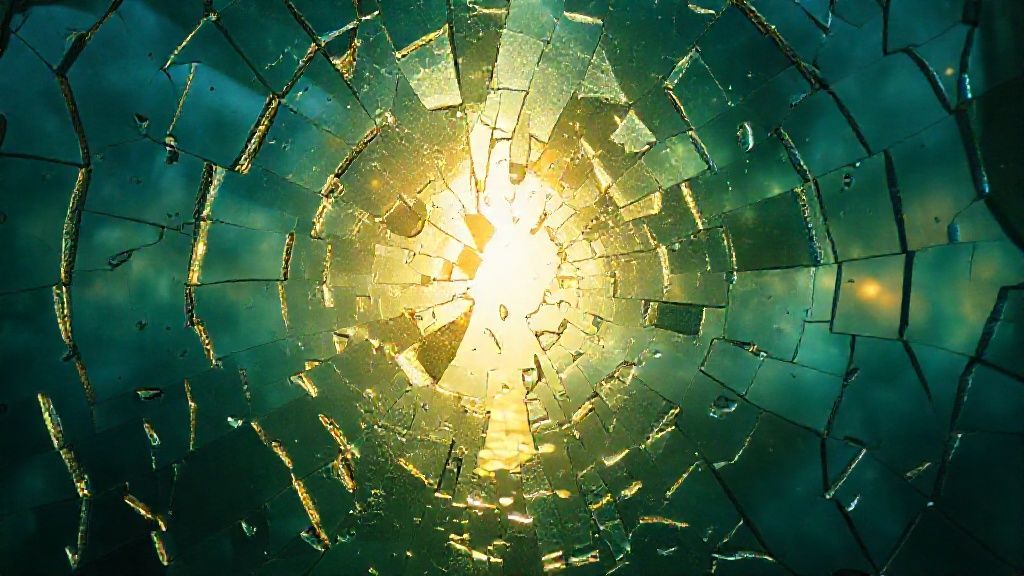
The journey of unraveling Maya is not a linear one. There will be times when you feel lost in the illusion, when you get caught up in negative thoughts and emotions. That's okay. It's part of the human experience. The key is to remember that you have the power to choose your perspective. You can choose to cling to the illusions of Maya, or you can choose to see through them and connect with the deeper truth of your being. It’s a conscious effort to recognize that things aren’t always what they seem and our minds create narratives which aren’t always reflective of the truth. This conscious effort is also a way to protect our mental health and make healthy decisions.
Ultimately, the goal is not to eliminate Maya altogether, but to understand its nature and to learn how to navigate it with awareness and compassion. As we do this, we can begin to create a more authentic and fulfilling life, one that is grounded in truth and aligned with our deepest values.
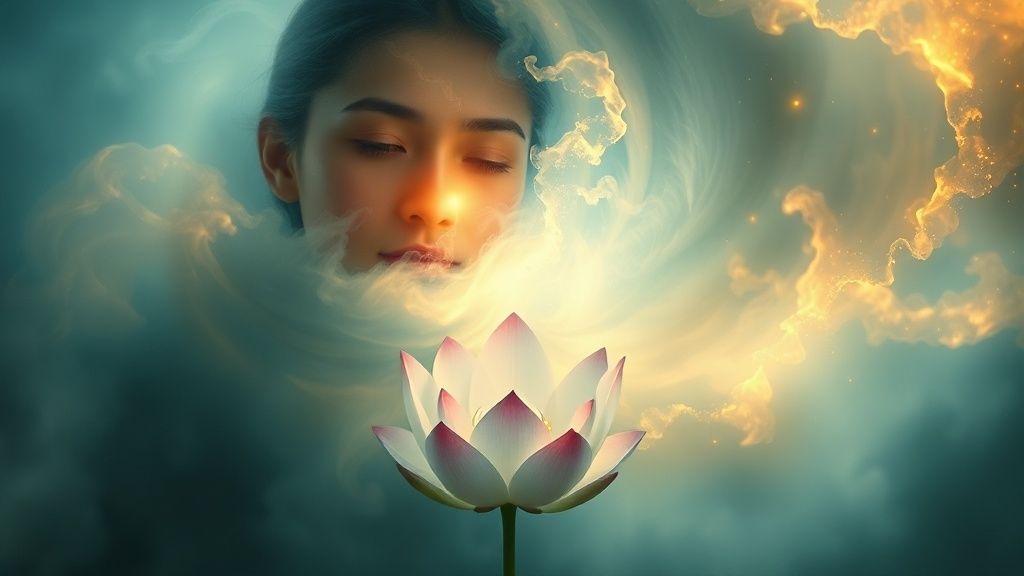
In the bustling city of Vancouver, it's easy to get caught up in the hustle and bustle of daily life, to lose sight of the deeper truths that lie beneath the surface. But by embracing the principles of Maya, we can create a space for stillness and reflection, a space where we can connect with our inner wisdom and find peace amidst the chaos.
My hope is that through my writing and my yoga practice, I can help others to awaken to the illusions of Maya and to discover their own inherent worth and potential. It’s a journey of self-discovery that’s so worth it.
My Weekly Horoscope for Scorpio
This week, dear Scorpio, the stars are offering you a unique blend of challenges and opportunities. Keep a steady course!
Wealth: Financially, this week calls for prudence. Avoid impulsive spending and focus on consolidating your resources. It's a good time to review your budget and look for areas where you can cut back. Unexpected expenses may arise, so having a financial cushion will be beneficial.
Love: Romantic prospects are looking promising, especially if you're willing to be vulnerable and open your heart. If you're in a relationship, communication is key. Express your needs and desires clearly and listen attentively to your partner. Single Scorpios may find themselves drawn to someone who challenges them intellectually and emotionally.
Friendship: Social interactions will be enriching this week. Reach out to friends and reconnect with people you haven't seen in a while. Your insights and perspectives will be highly valued in group settings. Be open to new connections, as you may find yourself forming meaningful bonds with unexpected individuals.
Career: Career-wise, this week requires patience and perseverance. You may encounter obstacles or setbacks, but don't let them discourage you. Stay focused on your goals and continue to work diligently. Your hard work will eventually pay off. It's also a good time to seek guidance from mentors or colleagues who can offer valuable advice. Networking events could present good opportunities.