

The "feeling of hopelessness crossword clue" – it seems a simple enough puzzle. But behind those letters lies a vast and complex landscape of human emotion. As I sit here on my balcony in Barcelona, the sun glinting off the Mediterranean, I often reflect on the challenges my clients bring to me, and how frequently this feeling of utter despair surfaces. The sea, so vast and powerful, can sometimes feel like a mirror reflecting back our own internal oceans of sadness. It’s a feeling I know well, not just from my practice as a healer and astrologer, but from navigating the storms of my own life.
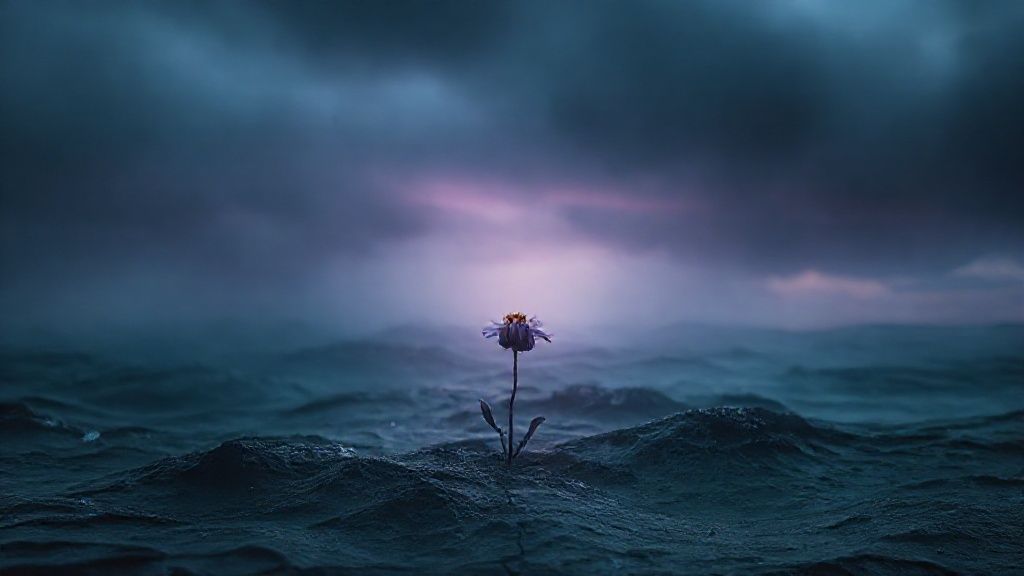
Hopelessness isn't merely sadness; it's the absence of hope, the conviction that things will never improve. It’s a heavy cloak that smothers joy, dims motivation, and distorts our perception of reality. It’s that agonizing belief that all roads are blocked, all doors are locked, and all efforts are futile. It's the insidious whisper that says, "What's the point?"

So, where does this feeling of hopelessness come from? The causes are varied and deeply personal. Sometimes, it’s a direct response to trauma or a significant loss – the death of a loved one, the end of a relationship, the loss of a job, or a devastating diagnosis. These events can shatter our sense of security and leave us feeling adrift in a sea of despair.
Other times, hopelessness can stem from chronic stress, burnout, or prolonged periods of isolation. The relentless pressure of modern life, coupled with a lack of meaningful connection, can erode our resilience and leave us vulnerable to negative thoughts and feelings. Mental health conditions like depression and anxiety are often accompanied by a profound sense of hopelessness, as are physical illnesses that drain our energy and limit our ability to engage in activities we once enjoyed.
Perhaps, too, societal factors play a role. When we see injustice, inequality, and environmental destruction rampant in the world, it’s easy to feel overwhelmed and powerless. The constant bombardment of negative news can fuel a sense of fatalism and a belief that we are helpless to effect positive change. This is particularly true for those who identify as empaths, and struggle to filter the pain from the world.
Recognizing the roots of your hopelessness is the first step toward healing. Are you grappling with grief? Are you overwhelmed by stress? Are you struggling with a mental health condition? Understanding the underlying cause can help you identify the appropriate tools and strategies for coping.
The good news is that hopelessness, while debilitating, is not a permanent state. It's a feeling, not a fact. And feelings, like the tides of the Mediterranean, are ever-changing. With the right support and a conscious effort to shift your perspective, you can break free from the grip of despair and rediscover hope.
As a healer, I believe in the power of holistic approaches. This means addressing the mind, body, and spirit. Here are some strategies that I have found to be helpful, both in my own life and in my work with clients:
Acknowledge and validate your feelings. Don't try to suppress or deny your hopelessness. Allow yourself to feel the sadness, the anger, the fear. Acknowledge that it's okay to not be okay. Journaling can be a powerful way to process your emotions. Write down everything you're feeling, without judgment or censorship.
Challenge negative thoughts. Hopelessness often stems from negative thought patterns. Learn to identify these thoughts and challenge their validity. Ask yourself: Is this thought based on fact or feeling? Is it helping me or harming me? Are there alternative ways of looking at the situation? Cognitive Behavioral Therapy (CBT) techniques can be very effective in reframing negative thoughts.
Practice self-compassion. Be kind and gentle with yourself. Treat yourself the way you would treat a dear friend who is struggling. Offer yourself words of encouragement and support. Remember that you are worthy of love and compassion, even when you are feeling your lowest.
Engage in activities that bring you joy. Even when you don't feel like it, make an effort to do things that you used to enjoy. Listen to music, read a book, take a walk in nature, spend time with loved ones, or pursue a creative hobby. These activities can help to lift your spirits and remind you of the good things in life.
Connect with others. Isolation can exacerbate feelings of hopelessness. Reach out to friends, family, or support groups. Talk about what you're going through. Sharing your experiences with others can help you feel less alone and more supported. Sometimes simply talking about your problems can lighten your load.

Seek professional help. If you're struggling to cope with hopelessness on your own, don't hesitate to seek professional help. A therapist or counselor can provide you with a safe and supportive space to explore your feelings and develop coping strategies. They can also help you identify any underlying mental health conditions that may be contributing to your hopelessness. As an astrologer, I often refer my clients to qualified therapists. While the stars can guide us, therapy provides practical tools for everyday life.
Practice mindfulness and meditation. Mindfulness and meditation can help you become more aware of your thoughts and feelings without judgment. They can also help you to calm your mind, reduce stress, and cultivate a sense of inner peace. Even a few minutes of meditation each day can make a difference.
Focus on small, achievable goals. When you're feeling hopeless, it can be overwhelming to think about the big picture. Instead, focus on small, achievable goals that you can accomplish each day. This will give you a sense of accomplishment and help you to build momentum.
Nourish your body. Pay attention to your physical health. Eat a healthy diet, get enough sleep, and exercise regularly. These lifestyle choices can have a significant impact on your mood and energy levels.
Connect with nature. Spending time in nature can be incredibly healing. The beauty and tranquility of the natural world can help to soothe your mind, reduce stress, and restore your sense of hope. Take a walk in the park, hike in the mountains, or simply sit by the sea. The connection can bring a sense of peace.
Explore your spirituality. For some people, connecting with their spirituality can be a source of comfort and hope. Whether you practice a particular religion or simply believe in a higher power, exploring your spiritual beliefs can help you find meaning and purpose in life.
Remember your strengths. It's easy to forget our strengths when we are in a moment of hopelessness. Take some time to recall your past accomplishments and remember the skills you used to overcome challenges. This can remind you of your resilience and ability to cope with difficult situations.
Embrace the Impermanence. As an astrologer, I often remind my clients that everything is temporary, including our feelings. Even the darkest night eventually gives way to dawn. Knowing that hopelessness is not a permanent state can offer comfort during difficult times.

Remember, healing from hopelessness is a journey, not a destination. There will be ups and downs along the way. Be patient with yourself, and celebrate your progress, no matter how small. And know that you are not alone. There are people who care about you and want to help you through this.
The "feeling of hopelessness crossword clue" may seem like a simple puzzle, but it represents a profound human experience. By understanding the causes of hopelessness, implementing effective coping strategies, and seeking support when needed, you can break free from its grip and rediscover the light of hope.
My Weekly Horoscope for Unknown:
Wealth: This week, the cosmos urges caution with your finances. Avoid impulsive spending and carefully review any new investments. It's a time for consolidation rather than expansion. Unexpected expenses may arise, so having a small buffer in your savings will bring peace of mind.
Love: The romantic landscape is a bit hazy this week. If you're in a relationship, communication will be key. Misunderstandings are likely if you aren't clear about your needs and feelings. Single? It might be a good week to focus on self-love and nurturing your own passions, rather than actively seeking a partner. The universe has its own timing.
Friendship: Your social life could feel a bit quieter than usual this week. Don't take it personally if friends are less available. Instead, use this time to reconnect with yourself and recharge your social batteries. A small, intimate gathering with a close friend could be particularly rewarding.
Career: You might feel a lack of motivation or direction in your career this week. Don't push yourself too hard. It's a good time for reflection rather than action. Consider what truly motivates you and where you want to be in the long term. Networking, even if it feels daunting, could surprisingly open a new door.