

The scent of heather and damp earth always grounds me. Living here in Edinburgh, surrounded by the ancient whispers of the land, I often reflect on the resilience of the human spirit. Even in the face of what seems like insurmountable darkness, a spark of hope can endure. As an energy healer, I witness this resilience daily, and it’s particularly poignant when I encounter individuals grappling with the deep-seated despair of depression, often intertwined with what psychologists call “hopelessness.”
The hopelessness theory of depression, a cognitive theory developed by Lyn Abramson, Lauren Alloy, and Gerald Metalsky, suggests that a specific way of thinking – a negative inferential style – contributes to the development of hopelessness, which, in turn, leads to depression. It's not just about feeling sad; it's about believing that negative events are inevitable and that you are powerless to change them. This belief system becomes a self-fulfilling prophecy, trapping individuals in a cycle of despair.
The core of this theory lies in the individual's explanatory style – how they explain the causes of events in their lives. This style is characterized by three key dimensions:
Internal vs. External: Do you attribute negative events to your own failings (internal), or to external circumstances beyond your control? For example, if you fail an exam, do you think, "I'm just not smart enough" (internal), or "The exam was unfairly difficult" (external)?
Stable vs. Unstable: Do you believe the causes of negative events are permanent and unchanging (stable), or temporary and variable (unstable)? So, continuing with the exam failure, do you think, "I'll always be bad at exams" (stable), or "I just didn't prepare well enough this time" (unstable)?
Global vs. Specific: Do you believe the causes of negative events will affect many areas of your life (global), or only specific situations (specific)? Again, with the exam, do you think, "I'm a failure at everything" (global), or "I just need to improve my study habits for this particular subject" (specific)?
Individuals with a negative inferential style tend to explain negative events as internal, stable, and global. Conversely, they tend to explain positive events as external, unstable, and specific. This creates a skewed perception of reality, where failures are attributed to inherent flaws, and successes are dismissed as mere luck.

From an energy healing perspective, this negative inferential style manifests as blockages in the energy flow, particularly within the solar plexus chakra (related to self-esteem and personal power) and the heart chakra (related to love and compassion). These blockages can amplify feelings of worthlessness and disconnection, reinforcing the hopelessness that fuels depression.
The hopelessness theory also emphasizes the role of life events. Negative life events, such as loss of a job, relationship breakup, or health problems, can trigger feelings of hopelessness, especially in individuals with a pre-existing negative inferential style. These events can shatter their sense of control and predictability, leading to a belief that they are powerless to shape their own lives.
It's important to distinguish between sadness and hopelessness. Sadness is a normal human emotion, a natural response to loss or disappointment. Hopelessness, on the other hand, is a deeper, more pervasive feeling of despair and powerlessness. It's the belief that things will never get better, that all efforts are futile. This belief can be incredibly debilitating, leading to a loss of motivation, social withdrawal, and even suicidal thoughts.

How can we break free from the grip of hopelessness? From a therapeutic perspective, Cognitive Behavioral Therapy (CBT) is often used to challenge and modify negative thought patterns. CBT helps individuals identify and question their negative beliefs, replacing them with more realistic and balanced thoughts. It also encourages them to engage in activities that bring them joy and a sense of accomplishment, helping to restore their sense of hope and agency.
However, as an energy healer, I believe that addressing the energetic imbalances is crucial for long-term healing. Practices like Reiki, chakra balancing, and crystal healing can help to clear blockages in the energy field, restoring the flow of vital energy and promoting a sense of inner peace and well-being. These practices can also help to reconnect individuals with their own innate healing abilities, empowering them to take an active role in their recovery.
For instance, working with crystals like rose quartz (for self-love and compassion) and citrine (for optimism and abundance) can help to shift the energy field towards more positive vibrations. Similarly, guided meditations can help to quiet the mind and access deeper levels of self-awareness, allowing individuals to challenge their negative beliefs and cultivate a sense of hope.

Rediscovering creativity can also be a powerful tool for healing hopelessness. For me, pottery is a meditative practice that allows me to express my emotions and connect with my inner self. The act of shaping clay, of transforming something ordinary into something beautiful, can be incredibly empowering. It reminds us that we have the power to create beauty and meaning in our lives, even in the midst of challenges.
Connecting with nature can also be profoundly healing. Spending time outdoors, surrounded by the beauty and tranquility of the natural world, can help to ground us and restore our sense of perspective. The simple act of observing a sunrise, listening to the birds sing, or feeling the earth beneath our feet can remind us that we are part of something larger than ourselves, that we are connected to the web of life.
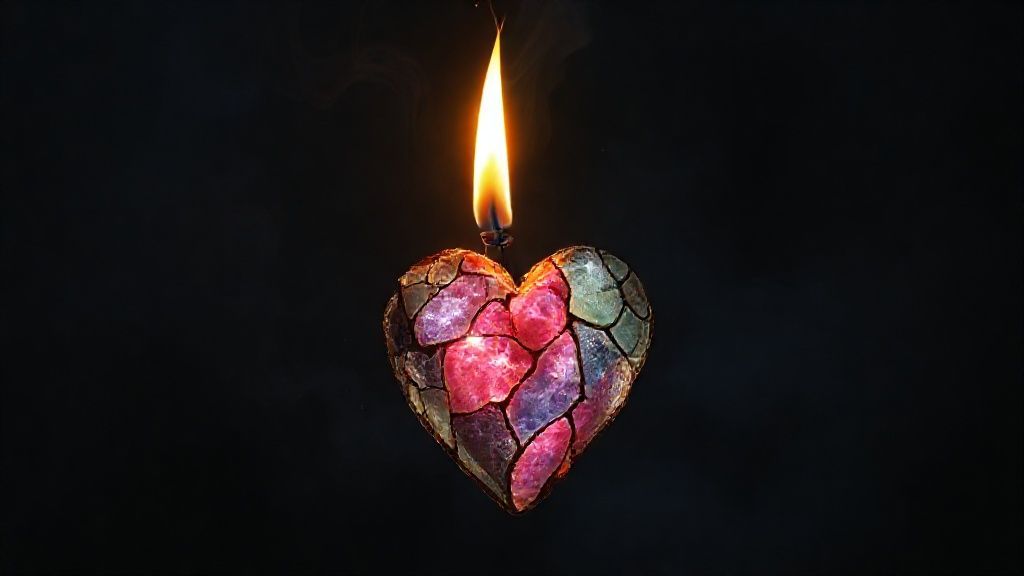
Remember, healing from hopelessness is a journey, not a destination. It requires patience, self-compassion, and a willingness to challenge your own beliefs. It's about learning to see the world through a different lens, to recognize your own inherent worth, and to believe that things can and will get better. Even in the darkest of times, a flicker of hope can endure, guiding you towards a brighter future.

And if you're feeling hopeless right now, please know that you're not alone. Reach out to a trusted friend, family member, or mental health professional. There is help available, and you don't have to go through this alone. Remember, you are strong, you are resilient, and you are worthy of love and happiness. Your story is not over.
My Weekly Horoscope for Pisces
Hello, fellow Pisces! As the stars swirl around us this week, here’s what I foresee:
Wealth: Financially, this week encourages you to be mindful of your spending. An unexpected expense might arise, so budget wisely and avoid impulsive purchases. A creative idea might spark a potential income stream towards the end of the week, so keep your mind open to possibilities.
Love: Romance is in the air! Single Pisces might find themselves drawn to someone unexpected. If you're in a relationship, focus on deepening your connection with your partner through open and honest communication. A romantic getaway, even just a day trip, could rekindle the spark.
Friendship: This is a wonderful week to reconnect with old friends. A sense of nostalgia might lead you to reach out to someone you haven't spoken to in a while. Nurture your friendships; they are a vital source of support and joy. Be mindful of offering a listening ear to a friend who may need your support.
Career: This week is all about collaboration and teamwork. Embrace opportunities to work with others, as your collective efforts will lead to greater success. Your intuition will be particularly strong, so trust your gut feelings when making decisions. Be prepared for a potential shift or change in your work environment. Stay flexible and adaptable.